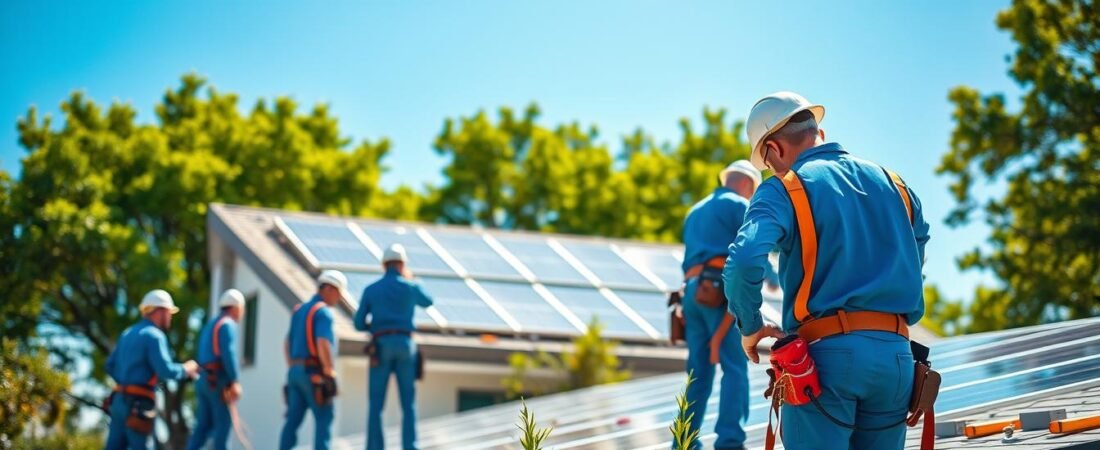
Finding a reliable pharr solar panel installation company is the first step toward energy independence in the 48215 area. This guide helps homeowners choose a local partner who understands regional weather and permits. Clear, practical advice saves time and reduces risk.
We walk you through each stage of solar panel installation, from planning to final inspection. Expect tips on quality equipment, safety checks, and warranty details. Our aim is to help you hire experts who prioritize efficiency and long-term performance.
Use our directory to connect with trusted local pros that value transparency and smart design. With the right partner, your system will deliver clean energy and strong savings for years to come.
Why Pharr is Ideal for Solar Energy
Sunlight and sensible electricity prices combine to make this region ideal for clean power. The combination of climate and costs creates a strong case for homeowners who want reliable, long-term savings. Read on to see the climate advantages and the true energy potential here.
Climate Advantages
More than 234 sunny days per year give rooftops steady exposure. The local climate ranges from semi-arid to desert with hot summers and cool winters. That stable sunlight helps systems perform at high efficiency.
Energy Potential
Average residential electricity costs hover around 11.36¢/kWh. That rate makes investing in clean energy a sensible choice for many households.
With about 7–8 hours of usable sunlight each day, homeowners can offset grid use and take advantage of net metering policies to maximize returns.
- High sun exposure: consistent production across the year.
- Cost-effective: local rates support quicker payback.
- Reliable output: 7–8 hours daily keeps systems productive per year.
- Policy support: net metering helps shift excess generation back to the grid.
“The combination of prime irradiance and supportive policies keeps homeowner investments productive throughout the year.”
Finding a Reliable Pharr Solar Panel Installation Company
A dependable installer blends experience, clear pricing, and strong customer feedback.
Start by checking local experience and verified reviews. Look for providers with completed projects like yours and clear timelines. That reveals how well they meet homeowner needs.
Use our directory to narrow options fast. We highlight the best solar companies and regional providers so you can compare credentials and services without hunting through dozens of listings.
When you weigh choices, ask about licensing, warranties, and energy-design plans. The right team will tailor a layout to your roof, usage patterns, and future goals.
- Verified reviews and project photos
- Transparent pricing and clear contracts
- Local teams that serve nearby areas and homeowners
“Choosing trusted companies pharr residents recommend cuts risk and speeds up project success.”
Residential Versus Commercial Solar Solutions
Homeowners and business owners face different priorities when evaluating clean energy options. This section helps you weigh benefits for daily living and for larger operations. Read on to match solutions to your needs.
Residential Benefits
Residential systems reduce monthly electricity bills and boost home value. Many homeowners choose rooftop arrays to save space and add curb appeal.
Modern setups often include battery backup for short outages. That adds security and keeps critical circuits running.
Commercial Applications
Commercial installations serve farms, warehouses, and small businesses that need steady, long-term cost control. Large systems can cut operating costs and stabilize energy spend.
- Rooftop, ground‑mounted, or canopy options fit different property layouts.
- Battery backup systems support uninterrupted electricity for critical loads.
- Investing in solar energy lowers utility costs and improves overall value for homes and businesses.
“Choosing the right system depends on your daily consumption, space, and future growth plans.”
Understanding Solar Incentives and Tax Credits
Several federal and state programs make going clean energy more affordable. The Federal Solar Investment Tax Credit (ITC) currently lets homeowners claim a 30% deduction on qualified installation expenses.
The federal tax credit helps lower your overall tax bill and improves payback time. Texas also offers net metering programs that let you earn credits for excess energy you send back to the grid.
Use local rebates and utility incentives to cut upfront costs. Ask your installer for a list of state and utility offers and how they stack with the federal tax credit.
- Federal tax credit: deducts 30% of qualifying costs.
- Net metering: credits for exported energy.
- State and utility rebates: reduce initial costs further.
“Maximize credits and net metering to lower your effective costs and carbon output.”
| Incentive | What it does | Typical impact |
|---|---|---|
| Federal tax credit (ITC) | Deduct 30% of qualifying costs | Significant reduction in first‑year expenses |
| Net metering | Earn credits for exported energy | Lower monthly bills per year |
| State/utility rebates | Upfront cash or bill credits | Smaller initial investment |
Talk with your chosen installer to confirm eligibility for the federal tax credit and local net metering programs. That ensures you capture all savings and reduce your carbon footprint while cutting long‑term costs.
Key Factors to Consider When Choosing an Installer
The team you pick determines how smoothly your project moves from permit to activation. Start with checks that prove technical skill and legal compliance.
Licensing and Certification
Verify state licensing and certifications like NABCEP. Proper credentials help ensure safety, code compliance, and eligibility for the federal tax credit.
Customer Reviews
Read recent reviews and ask for references. Reviews reveal real-world performance, timeliness, and how companies handle callbacks.
Financing Options
Compare financing options such as loans, leases, or PPA plans. Many firms offer flexible choices that reduce upfront costs and fit different budgets.
- Permitting timeline: most residential installs take 1–3 days of on‑site work and 4–8 weeks from signing to activation.
- Equipment choices: ask about panel brands and inverter systems to protect long‑term performance.
- Service and warranties: confirm what is covered and who performs maintenance.
“A qualified solar installer handles permits, paperwork, and testing so you get reliable power and worry‑free service.”
For local cost comparisons and detailed price estimates, check this guide on regional panel costs: local panel costs and options.
Overview of Top Rated Local Solar Providers
Local providers with strong track records make choosing a system easier and less risky.
Below is a quick look at verified installers that homeowners and businesses trust in the surrounding areas.
Verified Local Installers
RGV Solar leads the list with a 4.7 rating from 157 verified customers. They are one of the best solar companies in the region for both residential and commercial systems.
MIBA Energy holds a 4.6 rating and serves residential commercial and commercial properties with dependable service and clear timelines.
Your Solar Liaison earns a 4.5 score from 42 reviews and helps homeowners select the right system for each property.
Green Planet Solar is a Tesla Certified Installer and a member of the industry association, making Planet Solar a top choice for quality-focused customers.
| Provider | Rating | Best for |
|---|---|---|
| RGV Solar | 4.7 (157 reviews) | Residential & commercial systems |
| MIBA Energy | 4.6 (53 reviews) | Local installations and service |
| Your Solar Liaison | 4.5 (42 reviews) | Homeowner consultations and sizing |
| Green Planet Solar | Tesla Certified | High‑quality equipment & certifications |
“Our directory features trusted options so you can compare the best solar companies and make an informed choice.”
How Solar Power Impacts Your Property Value
Adding a modern energy system to your home often boosts its resale appeal and cuts monthly electricity costs.
A smart set of solar panels can increase curb appeal and attract buyers who care about lower utility expenses.
A well‑designed system acts like a long‑term asset. It shows up on listings as lower expected energy costs and greater efficiency.
Lower monthly bills and predictable savings from generated electricity make a home easier to sell. Buyers often pay a premium for homes with reduced operating costs.
- Higher resale value for homes with quality solar panels.
- Reduced exposure to rising utility rates through on‑site power generation.
- Professional installation keeps arrays neat and structurally sound, improving market perception.
| Benefit | What it means | Buyer appeal |
|---|---|---|
| Lower energy costs | Less monthly electricity to pay | High |
| Improved home value | Higher resale price or faster sale | High |
| Long‑term asset | System adds lasting value over time | Medium–High |
“A modern, well‑installed system is a selling point that converts into real, measurable value.”
Preparing Your Home for a Solar Installation
Start by checking your roof and immediate property. A sound roof avoids rework since these systems last for decades. Replace damaged shingles or fix flashing before crews arrive.
Schedule a professional assessment. The installer will map optimal placement for panels and system components. They check roof angle, shade patterns, and electrical access.
Clear nearby branches and trim trees so panels get full sun. Remove loose debris from the roof and yard to keep the work area safe.
- Inspect wiring: have an electrician confirm your home’s panel can handle the new system.
- Secure access: clear walkways and mark pets or irrigation lines.
- Document warranties: keep records of roof work and permits.
“Proper preparation reduces delays, improves output, and protects your home investment.”
| Prep Step | Why it matters | Expected result |
|---|---|---|
| Roof condition | Prevents re-roofing after install | Longer system life |
| Shade clearance | Maximizes daily generation | Higher energy yield |
| Electrical inspection | Ensures safe integration | Reliable household power |
Conclusion
A smart decision today can lock in lower utility bills and stronger home value for years.
Investing in clean energy helps homeowners cut utility costs and shrink their carbon footprint. Work with the best solar companies to capture the federal tax credit and take advantage of net metering programs.
Whether you need residential commercial services or a larger system for commercial properties, our directory links you to trusted installers in the surrounding areas. These companies pharr residents trust deliver reliable power and long‑term value.
Before you sign, learn how to avoid misleading offers via this avoid misleading companies resource. For marketing or local outreach tips, see this professional website guide.
Contact local companies pharr experts today to start saving on bills and boost your home’s value.